Garage Door Repair Company in Augusta, GA: What Drives the Price
Understanding what drives garage door repair costs is one of the most common questions homeowners in Augusta, GA, ask before scheduling service. Whether you are calling a garage door repair company in Augusta, GA for the first time or comparing estimates, knowing what shapes the final number helps you make a smarter decision. This guide breaks down the key pricing factors so you can approach any quote with confidence.
Prices for garage door work vary widely. The final number on your invoice depends on several overlapping factors. When you call a local garage door service provider, a good technician will walk through these same considerations before giving you a quote.
Why Part Type Has the Biggest Impact on Cost
The type of part that needs replacing is the single biggest driver of what you will pay. Rollers, hinges, and weather seals are on the lower end of the cost spectrum. Springs, cables, and circuit boards for smart openers typically cost more because the parts themselves are more expensive and the work requires more skill and time.
Material quality also plays a role. A basic steel torsion spring and a heavy-duty galvanized spring are not the same thing. The higher-grade part may cost more upfront but can last significantly longer in Augusta, GA's humid subtropical climate, where heat and moisture accelerate wear on metal components. Any reputable garage door repair company in Augusta, GA will explain these material differences before recommending a part.
Spring and Cable Repairs: Why Are They Priced Higher?
Spring and cable repairs are among the most common service calls, and they tend to carry a higher price tag than simpler fixes.
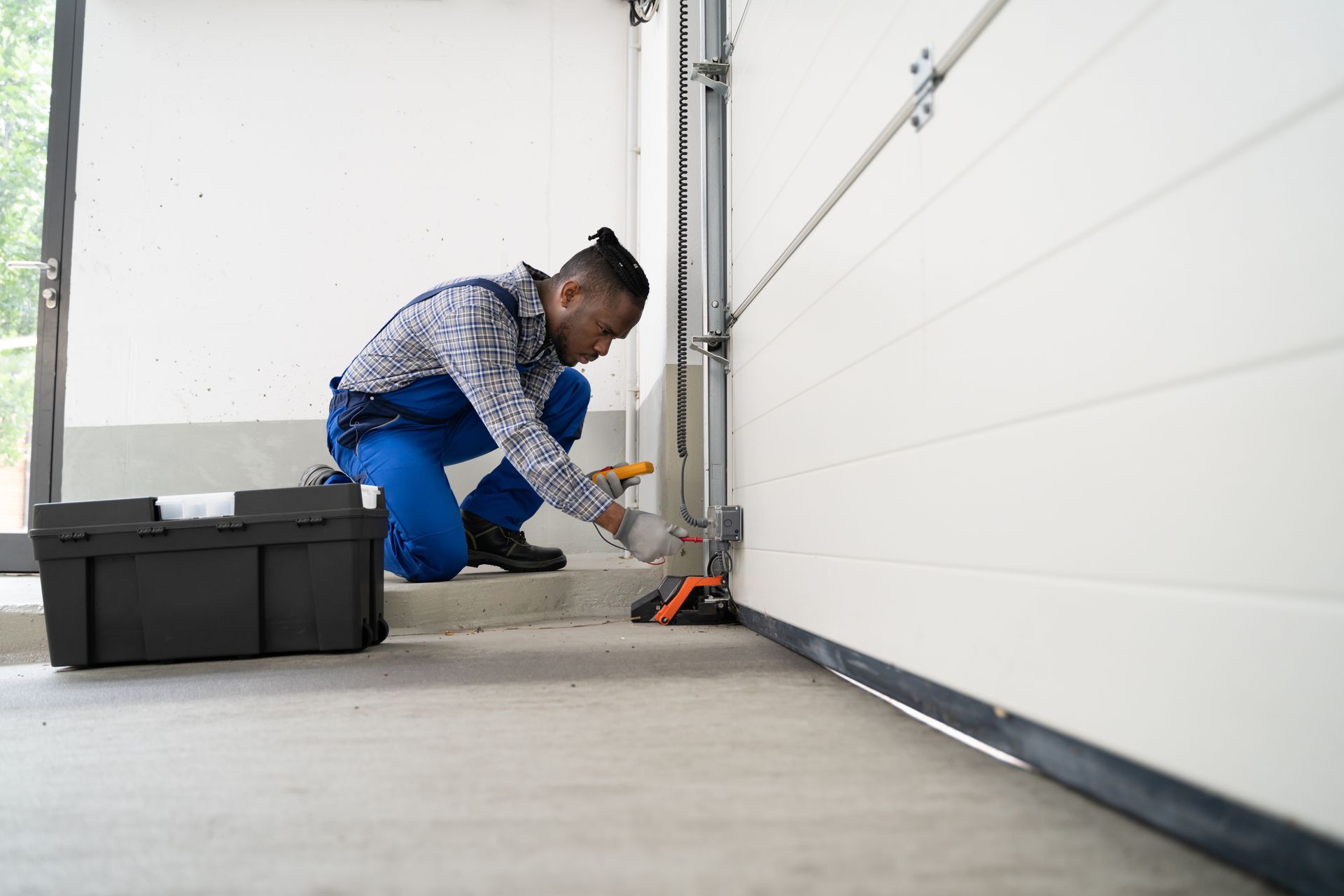
Torsion springs sit above the door and are under extreme tension. Replacing them requires the right tools and training. An incorrectly tensioned spring can cause the door to slam shut or fail to open, and it can be dangerous to handle without proper technique. That specialized labor is reflected in the price.
Cables run along the sides of the door and carry its weight as it moves. A frayed or snapped cable can pull the door off track. In older Augusta-area homes, particularly in neighborhoods like Summerville or Harrisburg with aging door systems, cables are often the first component to show significant wear. Georgia's warm, wet summers also speed up rust and corrosion on both springs and cables, making routine lubrication and annual checks worthwhile. A qualified garage door technician can assess both components during a single visit and catch problems before they compound.
What Happens if You Delay Spring or Cable Repairs?
A failing spring puts extra strain on the opener motor. Over time, that added load may cause the motor to burn out, turning one repair into two. Addressing the issue early typically keeps the overall cost lower.
How Door Size and Weight Affect the Quote
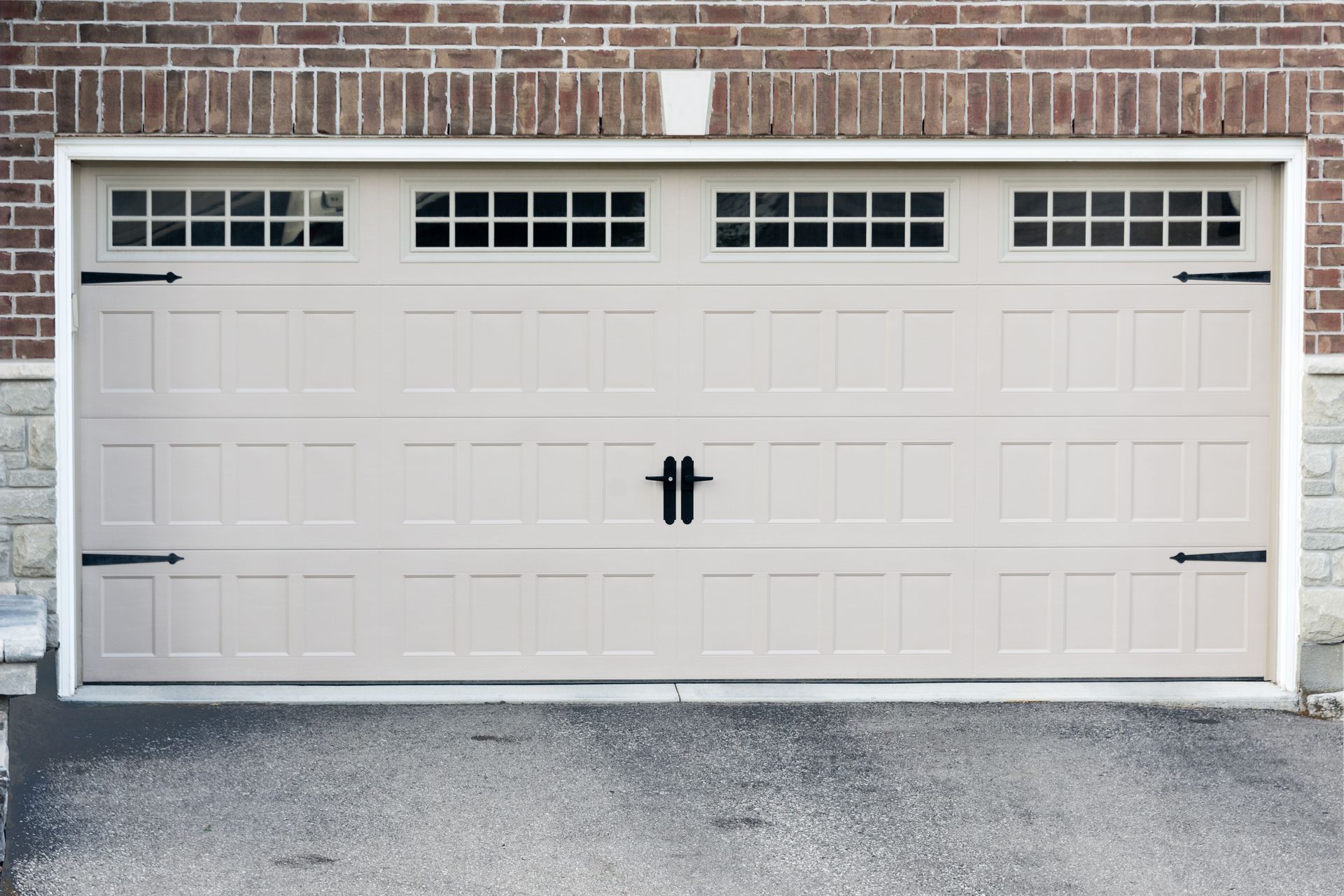
Larger doors require heavier-duty components. A standard single-car door and a wide two-car door are not interchangeable in terms of parts. Wider doors need bigger springs, heavier cables, and in many cases a more powerful opener.
Door material matters too. Steel, wood composite, and aluminum doors each carry different weights. A heavy carriage-style wood door common in some of Augusta's historic neighborhoods places more load on every moving part than a lightweight aluminum panel door in a newer subdivision near Fort Gordon. Heavier doors cost more to repair because the components involved are rated for higher loads and priced accordingly.
Opener Repairs and Why the Brand Matters
Garage door opener repairs can range from a simple logic board reset to a full motor replacement. The brand and age of the opener are key pricing variables.
Common brands like LiftMaster, Chamberlain, Genie, and Craftsman are well-supported with widely available parts. Less common or discontinued models may require special-order components, which adds both cost and lead time. Smart openers with Wi-Fi connectivity and battery backup add another layer, as their circuit boards and sensors are more complex than those in a basic chain-drive unit. When sourcing parts for uncommon models, a local garage door repair company in Augusta, GA with established supplier relationships can often reduce that lead time.
Is Repair or Replacement a Better Value for an Old Opener?
When an opener is more than 10 to 15 years old, repair costs can approach or exceed the cost of a new unit. A technician can usually tell you on the spot whether a repair makes financial sense, so ask for that assessment upfront.
Other Factors That Can Shift the Final Price
A few additional variables can move a quote up or down.
- Time of service: Some companies charge extra for nights, weekends, or holidays.
- Number of issues: A technician may find secondary problems during a visit.
- Panel damage: Bent or cracked panels from a vehicle impact add to the bill.
- Opener compatibility: Upgrading to a new opener may require new hardware to match the existing door.
Knowing these factors lets you ask the right questions when comparing quotes from any local garage door contractor.
Get an Honest Quote From a Trusted Local Team
Calling ahead and describing the problem clearly is the best way to get an accurate estimate. Share the door size, opener brand, and symptoms you are seeing, and the quote will be more precise. The right garage door repair company in Augusta, GA will use that information to give you a firm, itemized number rather than a vague range.
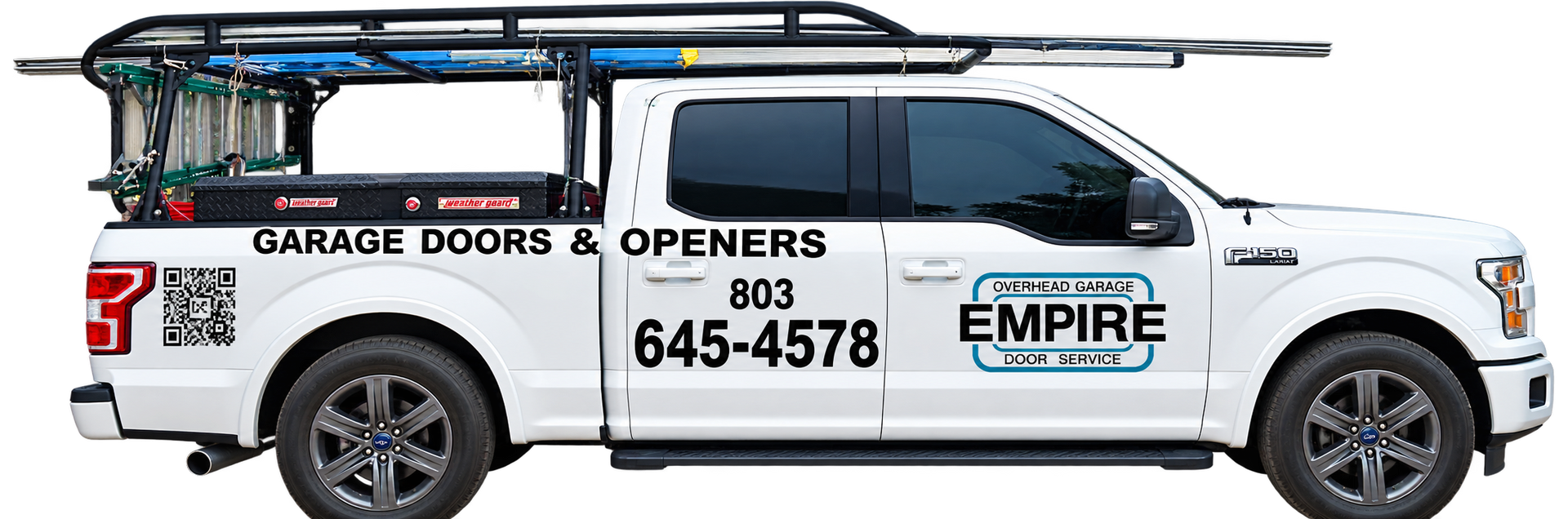
Empire Overhead Garage Door Service is a veteran-owned, family-operated company serving Augusta, GA, with over 30 years of experience. There are no extra fees for nights, weekends, or holidays, and they offer a free service call with any repair. Discounts are available for military personnel, seniors, teachers, and first responders.
To get a competitive quote, call or text (803) 645-4578 or contact the team online. For a full look at available services, visit the garage door repair and installation page. You can also read local reviews at Empire Overhead Garage Door Service on Google.